
Published:
November 7, 2025
Author:
Jonathan Mercado, Ph.D.
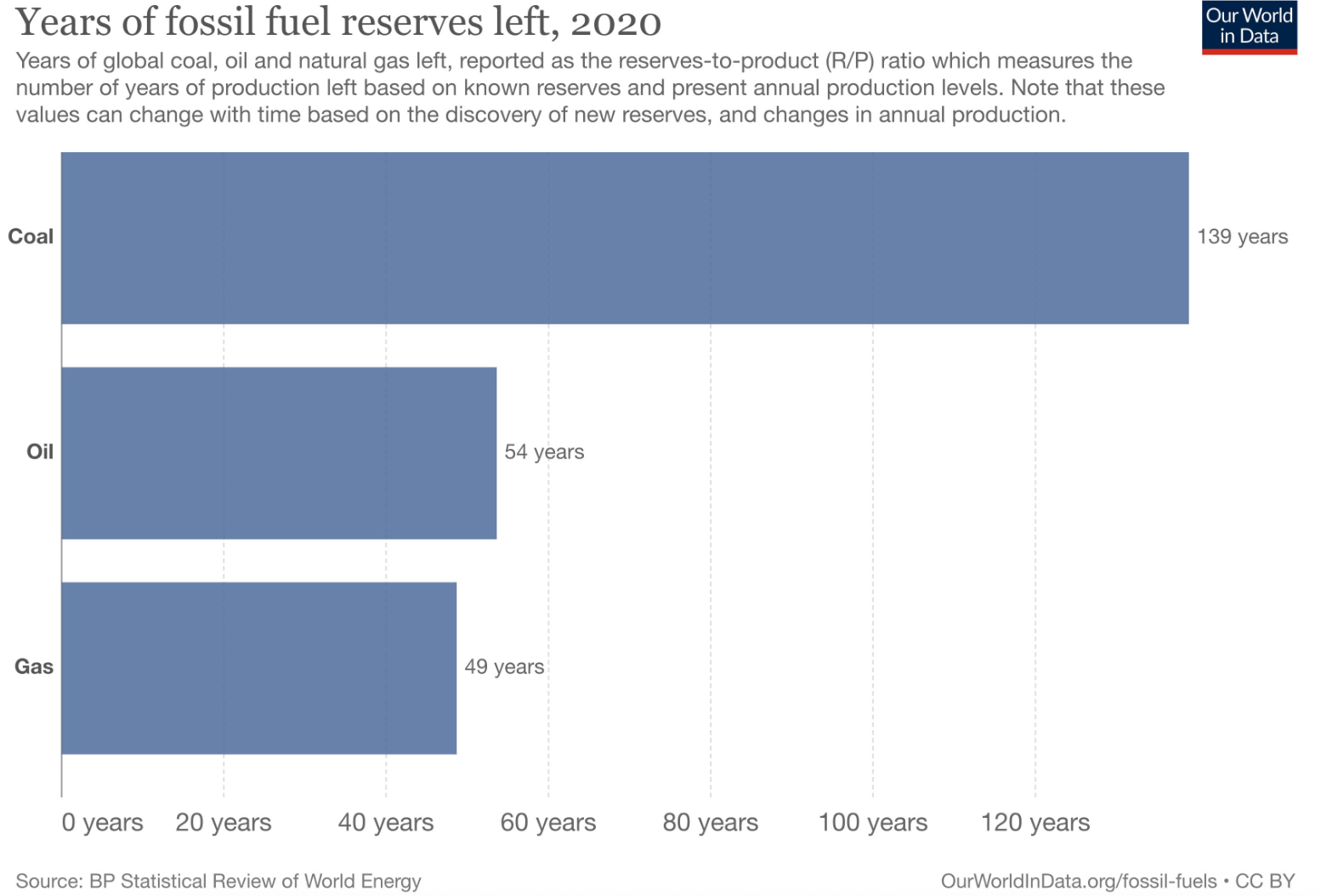
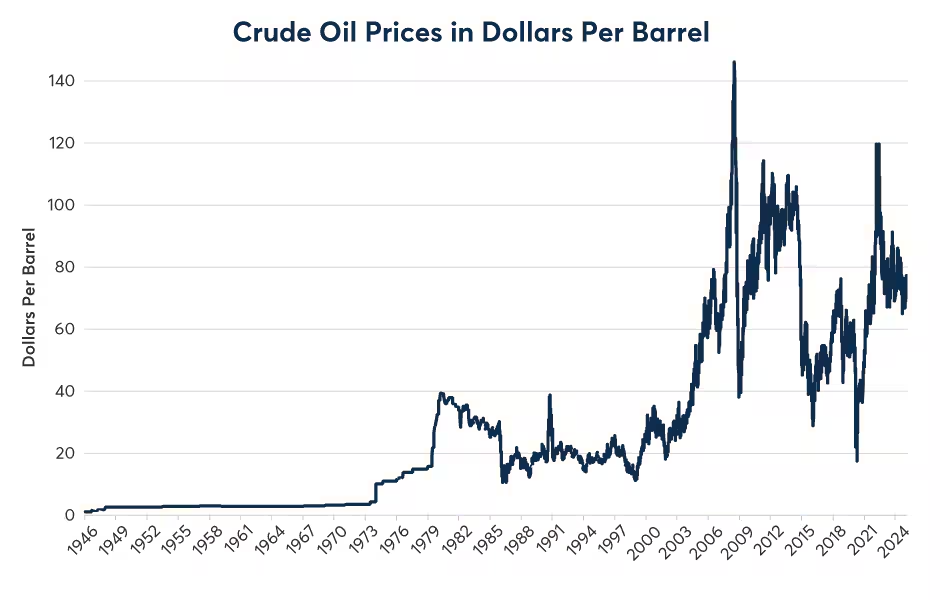
Our current industrial framework is overwhelmingly dependent on petroleum, serving as both the raw material for countless products and the energy source that enables their distribution. However, petroleum is a finite resource we will only continue to consume more of as the global population increases (1). This future is further compounded by traditional petroleum-based chemical manufacturing being at a cost floor leaving manufacturers to re-evaluate these processes given petroleum price volatility leading to resource re-allocation, layoffs, and more (2). As such, many of these players are looking for novel processes presenting the perfect opportunity for industrial biomanufacturing.
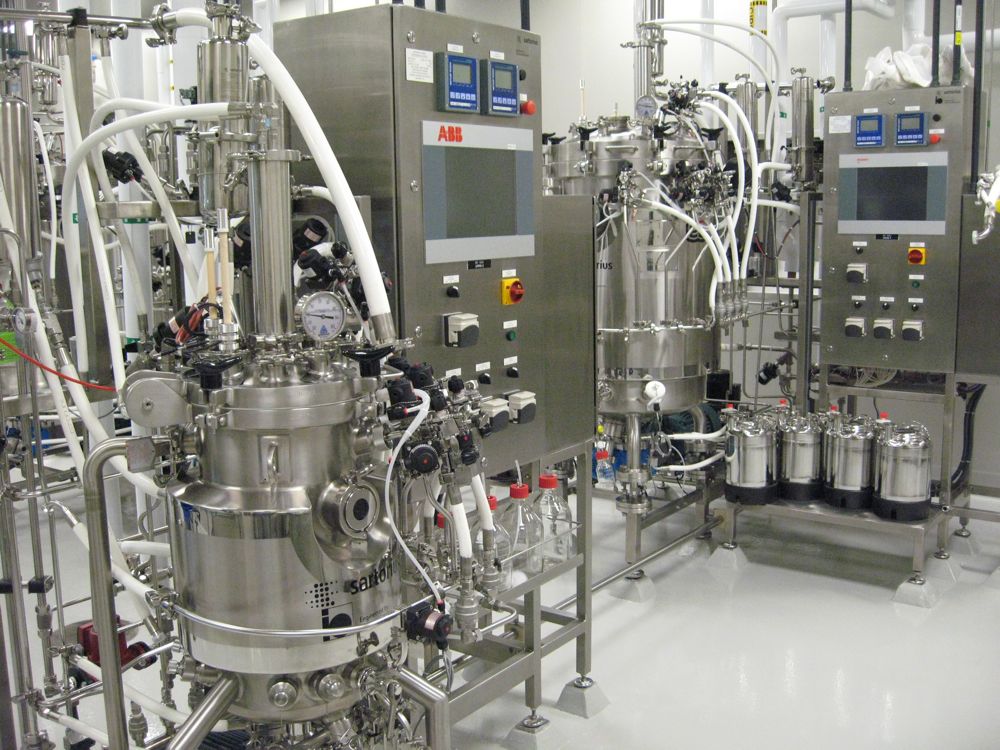
Instead of relying on high-heat chemical reactions powered by petroleum, the practice leverages microbes and enzymes to transform renewable feedstocks, like agricultural residues, plant sugars, or even captured CO₂, into chemicals, materials, and fuels (3). I like to think of it as using biology to make the same products we know, love, and use every day while creating safer manufacturing practices not just for the environment, but for the manufacturers themselves, us as consumers, and the surrounding communities. We understand rising pressures to change what, how, when, and where we consume. But what if we didn’t have to? What if we could still use the same products, such as sunscreen, shoes, or drive our cars, without changing our behaviors as consumers? That is the challenge I believe industrial biomanufacturing solves.
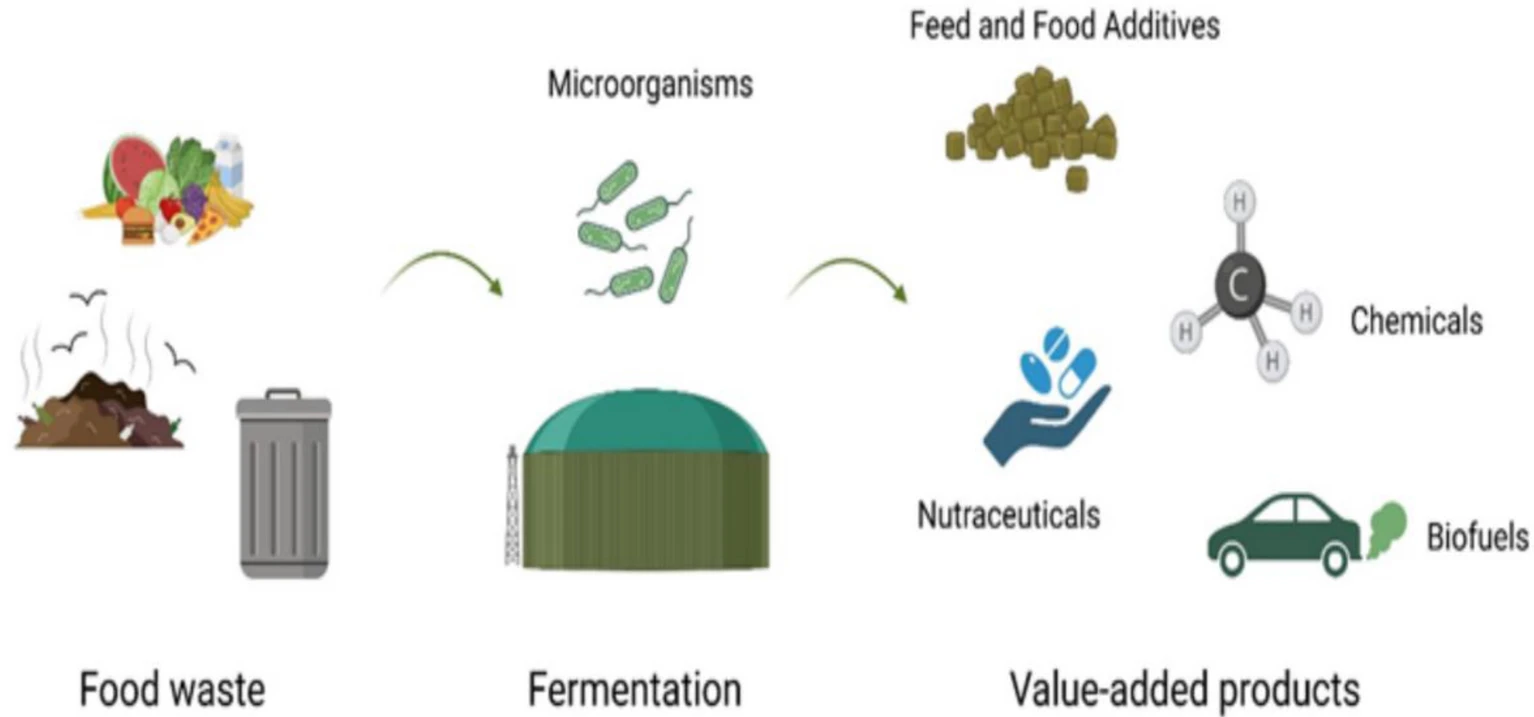
Biomanufacturing drastically reduces greenhouse gas emissions as these processes typically run at lower temperatures and pressures than petrochemical plants (4). It also supports a circular economy: waste streams from farming or food processing can be converted into biofuels, plastics, or industrial inputs instead of being discarded (5). Furthermore, many bio-based materials are biodegradable, breaking down naturally instead of adding to plastic pollution in landfills and oceans (6).
Biomanufacturing grants flexibility against growing market concerns. Renewable feedstocks offer more stable pricing than petroleum, which is subject to volatile global markets (5). With biology, waste can be turned into value, reducing disposal costs and creating new revenue streams. Biological processes are also energy-efficient, lowering operating costs and reducing exposure to carbon taxes and climate regulations that are spreading worldwide.

Importantly, governments are tightening the screws on the petrochemical sector. From stricter emissions caps to lawsuits over “forever chemicals” (PFAS), plastic pollution, and waste entering our crops, companies tied exclusively to fossil-derived manufacturing face growing financial and reputational risk (7,8). Biomanufacturing offers a hedge against these headwinds, giving companies a credible pathway to meet sustainability targets and regulatory requirements while staying competitive (9).
The shift to biomanufacturing can provide more than just safer chemical manufacturing for the environment, but also for the manufacturers, operators, surrounding communities, and ultimately us as consumers.
Industrial biomanufacturing improves workplace safety by using fewer hazardous chemicals and milder processes (often ambient temperature and pressure) (10, 11). This means workers face fewer toxic exposures and lower accident risks. It also benefits surrounding communities by cutting pollution and greenhouse gas emissions. For example, Genomatica’s fermentation method for 1,4-butanediol uses ~60% less energy and 70% lower CO2 emissions than the petrochemical route, with no toxic solvents needed (12). Similarly, BioAmber’s bio-succinic acid process uses 60% less energy and even consumes CO2 instead of emitting it (13, 14). These data support the notion that biomanufacturing is more than just a climate tech play, but rather critical for human health.
At its core, biomanufacturing provides economic resilience. Petroleum markets swing wildly with geopolitics, supply shocks, and policy changes (9). Renewable feedstocks, by contrast, can be sourced locally and sustainably (15). Sugar from crops, cellulose from agricultural waste, or CO₂ captured from industrial emissions provide steady, predictable supply chains. By tapping into these resources, companies hedge against oil price volatility while supporting regional economies, such as creating up to $2.67B in economic impact alongside 1200 jobs in some regions of the United States (16).
Industrial biomanufacturing can deliver what traditional petrochemistry increasingly struggles to provide: sustainability that makes business sense. It helps manufacturers reduce regulatory risk, meet consumer expectations, and stabilize costs. It helps consumers access better, safer products. And it helps the planet by cutting emissions and waste.
In short, biology is more than pharma. It has the opportunity to be the new foundation for how we’ll make the products that shape our everyday lives.
References

Jonathan is a Principal at First Bight Ventures, investing in the bio-industrial revolution—the next platform shift in manufacturing. Using commercial experience from IsoPlexis, he blends deep science and market expertise to scale technologies and unlock multi-trillion markets.